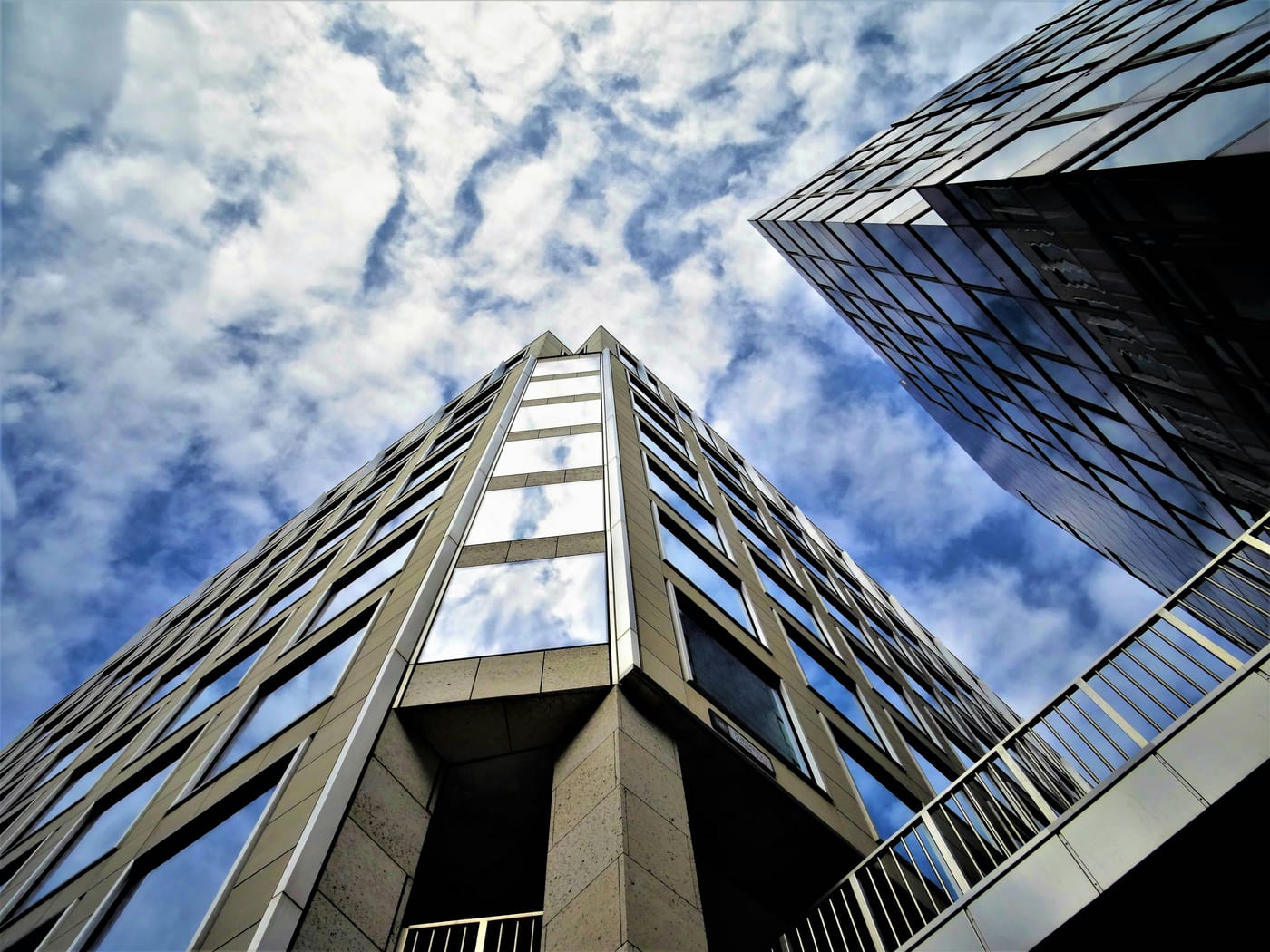
Structural engineering for office buildings, retail centers, mixed-use developments, and parking structures. These are the projects that define every downtown and suburban corridor.

Commercial buildings are where most structural engineers cut their teeth, but that does not make them simple. A four-story office building with an open floor plan, a ground-floor retail tenant demanding 30-foot storefronts, and a rooftop mechanical penthouse is a coordination challenge that requires careful attention to load paths, lateral systems, and constructability.
We provide structural engineering for the full range of commercial construction, from single-story retail pads to mid-rise office towers, mixed-use podium buildings, and multi-level parking garages. Our work covers new construction, tenant improvements, adaptive reuse, and building additions where existing structural capacity must be evaluated before anything new goes on top.
Every commercial project we deliver includes PE sealed drawings and calculations ready for permit submission. We work in all 50 states and coordinate directly with architects, MEP consultants, and general contractors to keep the structural package aligned with the overall project schedule and budget.
Commercial buildings look straightforward on paper, but the details get complicated fast. Open floor plans for office tenants mean long-span beams or composite deck systems that maximize usable area between columns. Retail storefronts on the ground floor require transfer structures to carry the building above while maintaining wide glass openings at street level. Mixed-use projects stack residential over retail over parking, three different structural grids that all need to resolve at transfer levels.
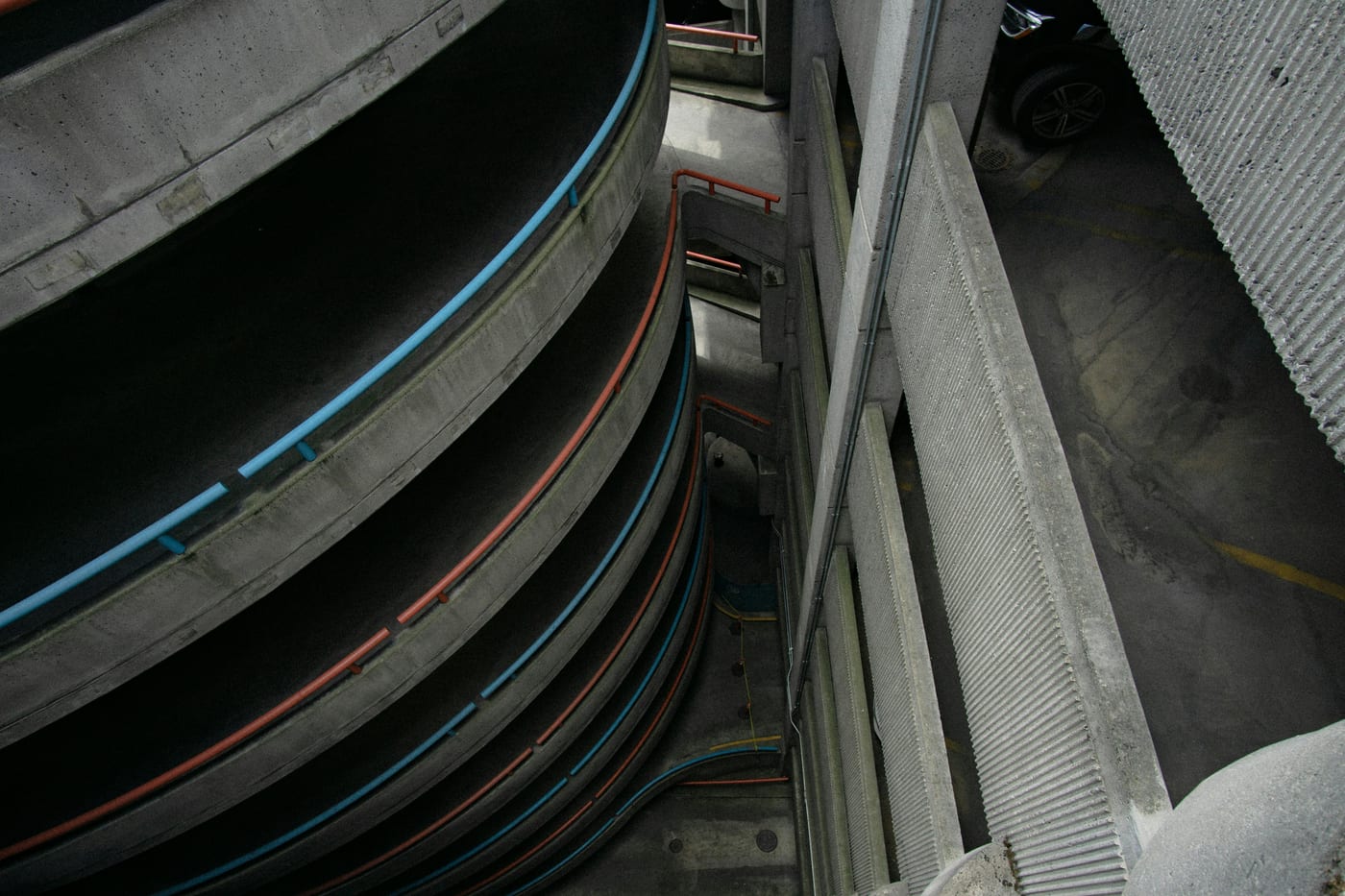
Parking structures bring their own set of demands: post-tensioned slabs for minimal depth, ramping geometry, durable concrete detailing for chloride exposure, and lateral systems that handle the open-face wind loads that enclosed buildings never see. And every commercial project in a seismic zone requires a lateral force-resisting system (moment frames, braced frames, or shear walls) designed and detailed to the current building code.
[ commercial-detail-2.jpg ]We engineer commercial structures across every building type and construction method.
Single-story suburban offices to mid-rise Class A towers. Steel composite framing, concrete core-and-shell, and light-gauge metal stud over podium construction. Open floor plans with column spacing optimized for tenant flexibility.
Strip malls, big-box retail, lifestyle centers, and inline retail with shared demising walls. Storefront header design, roof structure for mechanical units, and tenant buildout coordination.
Retail at grade, office or residential above, parking below or adjacent. Transfer structures, podium-level framing, and multi-system lateral design where steel, concrete, and light-gauge all meet in one building.
Above-grade and below-grade parking garages in cast-in-place concrete, post-tensioned concrete, and precast double-tee systems. Ramp geometry, expansion joints, and durability detailing for long service life.
Outpatient clinics, urgent care centers, and specialty medical offices with heavy floor loads for imaging equipment, lead-lined walls, and vibration-sensitive diagnostic rooms.
Converting warehouses to offices, retail to restaurants, or adding floors to existing buildings. Existing structure evaluation, reinforcement design, and code compliance for change-of-occupancy projects.
Structural engineering touches every phase of a commercial building project. Here is how we stay involved from the first sketch to the final inspection.
Before design begins, we evaluate site conditions, geotechnical data, and the proposed building program. We identify the structural system that best fits the architecture (steel, concrete, wood, or hybrid) and flag any constraints that will affect cost or schedule early.
We establish column grids, floor-to-floor heights, lateral system layouts, and foundation types. This is where the structural concept takes shape and gets coordinated with the architect's floor plans, the MEP engineer's shaft locations, and the civil engineer's grading.
Member sizes get finalized. Connections are designed. Transfer beams and special framing conditions are detailed. The structural model is refined with actual loads from MEP equipment schedules, and foundation sizes are coordinated with the geotechnical recommendations.
The full PE sealed package is produced: foundation plans, framing plans at every level, roof framing, connection details, schedules, and structural general notes. Calculations are compiled and everything is submitted for permit review.
We respond to plan review comments from the building department and third-party reviewers. Code interpretation questions, load path clarifications, and special inspection requirements are addressed until the permit is issued.
During construction, we review shop drawings, respond to RFIs, evaluate substitution requests, and perform structural observations. When field conditions differ from the drawings (and they always do), we provide timely engineering solutions.
Every commercial project includes a complete structural engineering package designed for the specific building type, construction method, and jurisdiction. We deliver documents that contractors can build from and building departments can approve, with no ambiguity and no missing details.