(336) 267-9326info@globalmanagemententerprises.com

Education & Institutional

Structural engineering for schools, universities, government buildings, libraries, and correctional facilities. These are structures built to serve the public for generations.

01

Institutional Structural Engineering

Institutional buildings are held to a higher standard than almost any other building type. They serve the public. They house children, students, government employees, and in some cases, detained individuals. The codes are stricter, the review processes are longer, the durability expectations are measured in decades, and the consequences of structural failure are unacceptable.

We provide structural engineering for K-12 schools, colleges and universities, government office buildings, courthouses, libraries, community centers, and correctional facilities. These projects typically involve public funding, which means rigorous plan review, third-party peer review, and compliance with agency-specific design standards that go beyond the base building code.

Our team understands the additional requirements that come with institutional work: essential facility classifications, assembly occupancy loading, ADA-driven layout constraints that affect structural framing, blast resistance for government buildings, and the long service life expectations that demand conservative material selection and detailing.
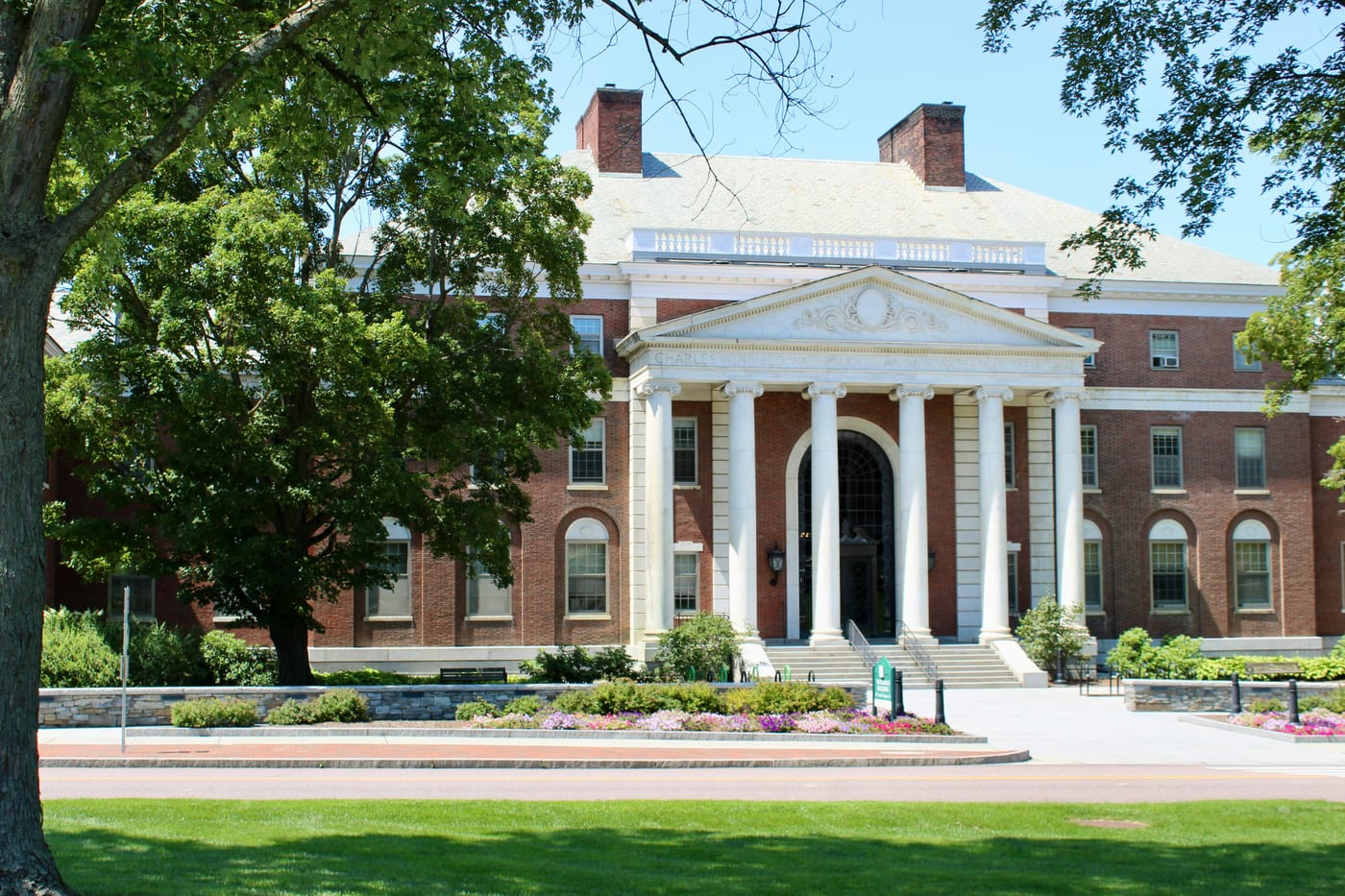
Educational facility structural engineering[ education-detail-1.jpg ]
University building construction
02

Specialized Institutional Demands

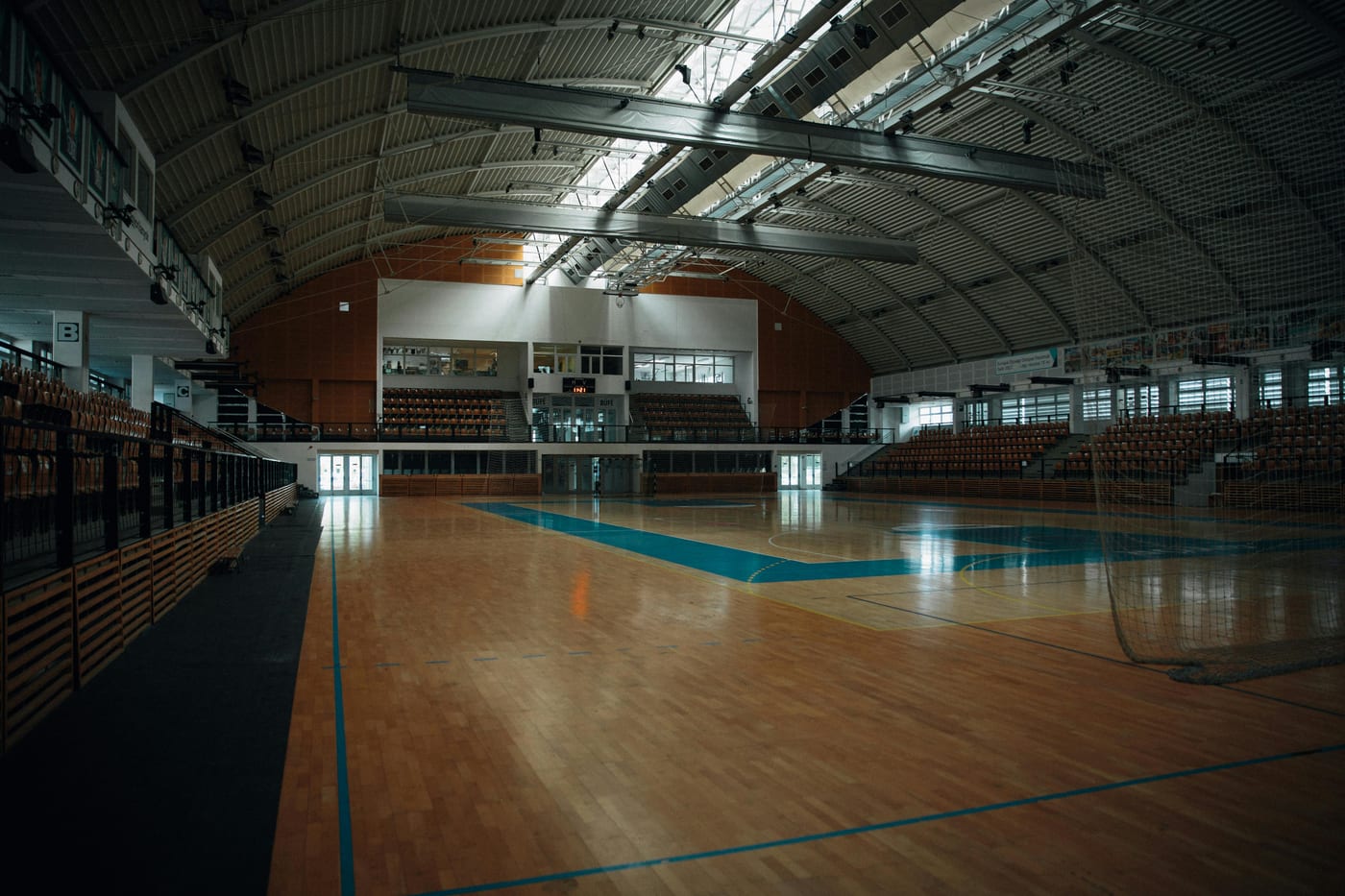
Assembly occupancy is the defining structural consideration for most institutional buildings. Gymnasiums, auditoriums, cafeterias, and lecture halls are all classified as assembly spaces under the IBC, which means 100 psf live load instead of the 40-50 psf typical of classrooms and offices. When a school gymnasium doubles as a community shelter or voting location, the structural requirements increase further.

Accessibility requirements under ADA and state accessibility codes influence structural layout more than most people realize. Elevator pit depths, ramp slopes, floor-level transitions, and accessible route widths all impose constraints on foundation geometry and floor framing. Correctional facilities add another layer: anti-climb wall construction, security-rated glazing supports, and tamper-resistant structural connections that prevent concealment of contraband.

  • Assembly occupancy floor loading for gyms and auditoriums
  • Essential facility (Risk Category III/IV) design requirements
  • ADA-compliant structural layout coordination
  • Storm shelter and safe room design per ICC 500 / FEMA P-361
  • Progressive collapse resistance for government buildings
  • Long-span gymnasium and cafeteria roof structures
  • Elevated walkway and pedestrian bridge connections
  • Library stack loading and compact shelving support
  • Science lab equipment foundations and fume hood support
  • Correctional facility hardened construction detailing

Education & Institutional Applications

We engineer structures for every type of public and institutional facility.

K-12 Schools

Elementary, middle, and high schools including classroom wings, gymnasiums, cafeterias, media centers, and administrative buildings. Design for long service life, storm shelter integration, and phased construction on occupied campuses.

Colleges & Universities

Academic halls, research laboratories, student housing, athletic facilities, and performing arts centers. Multi-story concrete and steel structures with complex mechanical systems and vibration-sensitive research spaces.

Government Buildings

Courthouses, city halls, federal office buildings, and civic centers. Progressive collapse design, blast-resistant detailing, and compliance with GSA, DoD, and state agency structural standards.

Libraries & Community Centers

Public libraries with high-density stack areas, reading rooms, and community meeting spaces. Heavy floor loads for compact shelving systems and long-span roof structures over multi-purpose rooms.

Correctional Facilities

Detention centers, jails, and correctional institutions requiring hardened construction, anti-climb walls, security-rated door and window framing, and structural systems designed to resist deliberate abuse.

Athletic & Recreation

School gymnasiums, aquatic centers, indoor tracks, and field houses. Long-span steel or wood truss roof systems, elevated bleacher framing, and floor systems designed for multi-sport use and spectator loading.

Designing Structures That Last 50+ Years

Institutional buildings are not disposable. They serve communities for half a century or more. That demands a different engineering mindset.

Material Selection

Choosing Materials for the Long Haul

A 75-year service life means specifying concrete with low permeability and adequate cover to delay carbonation-induced corrosion. It means stainless steel reinforcing in high-exposure conditions, epoxy-coated dowels at construction joints, and structural steel with appropriate coatings for the environment. Material choices made during design directly determine maintenance costs decades later.

Adaptability

Structural Flexibility for Future Use

A school built today may be reconfigured three or four times during its service life. Classrooms become labs, libraries become maker spaces, and technology requirements change every decade. We design floor systems with capacity for future loads and column grids that accommodate flexible partition layouts, so renovations 30 years from now do not require structural modifications.

Resilience

Designing Beyond Code Minimums

Code compliance is the floor, not the ceiling. For essential facilities and community shelters, we design to Risk Category III or IV, which means higher wind speeds, larger seismic forces, and stricter drift limits. Schools in tornado-prone regions get FEMA-compliant safe rooms. Coastal facilities get flood-resistant structural detailing. These are buildings that communities depend on when everything else fails.

Detailing

Connections That Endure

Long-term durability is won or lost in the details. Expansion joints placed correctly prevent cracking from thermal movement. Properly detailed flashing reglets keep water out of masonry-to-steel interfaces. Bearing pads under precast elements prevent point-load spalling. We detail every connection with maintenance access and long-term performance in mind, because these buildings will still be standing when the next generation of engineers reviews them.

Institutional building structural detail
03

What You Get From Us

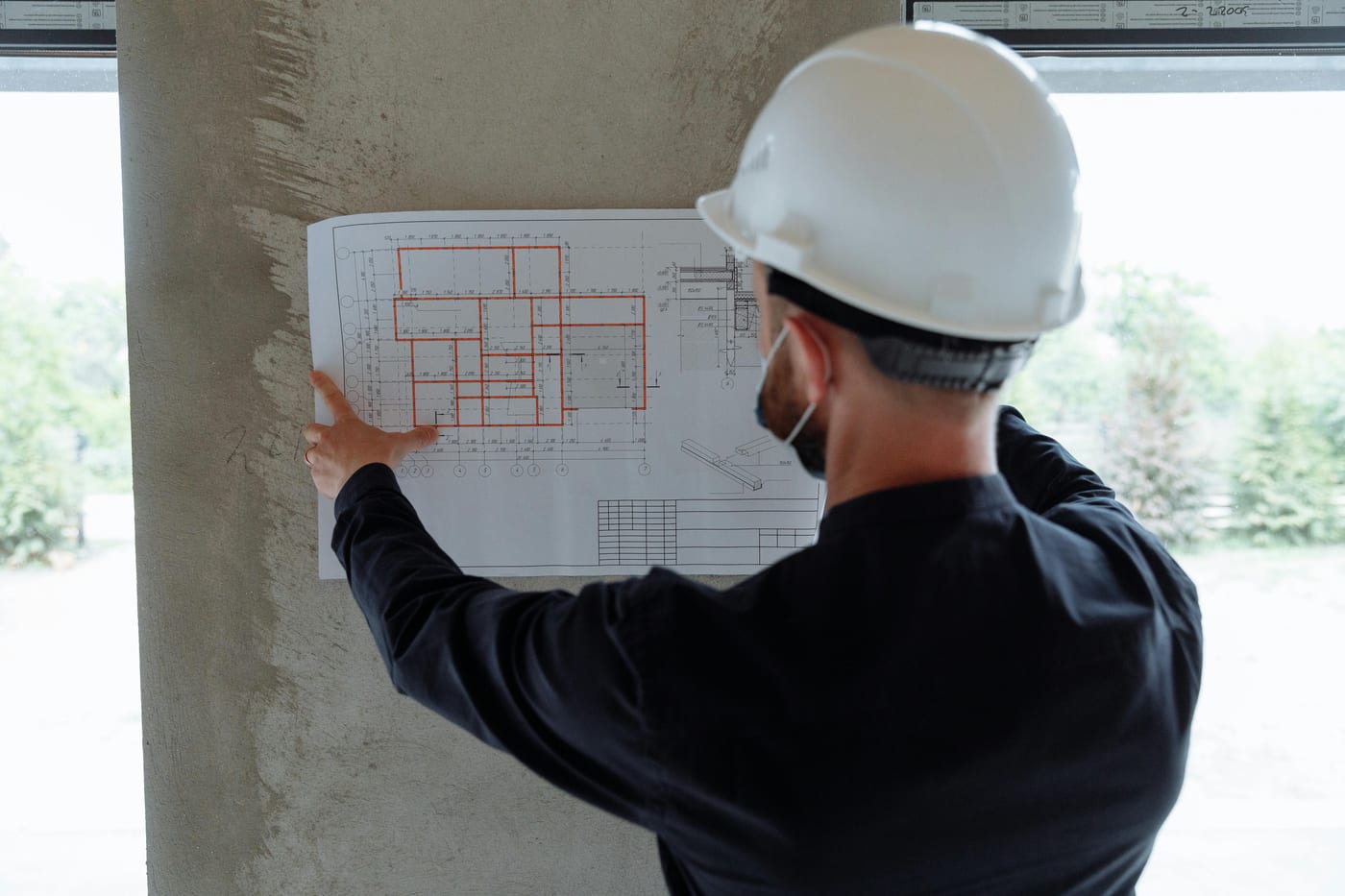
Every institutional project includes a complete structural engineering package designed for the rigorous review processes that public projects require. We are experienced with state facility commissions, school district plan review, and federal agency submission requirements.

  • PE sealed structural drawings and calculations
  • Foundation and slab-on-grade design
  • Floor and roof framing plans at every level
  • Lateral system design for wind and seismic
  • Storm shelter and safe room structural design
  • Assembly occupancy floor load analysis
  • Long-span roof truss and girder design
  • Elevated walkway and canopy connections
  • Permit submission and comment responses
  • construction phase RFI and submittal review

Need Structural Engineering for an Institutional Project?

Send us your plans, program requirements, or RFP. We will scope the structural engineering and provide a detailed proposal.

Get a Quote