Structural engineering for hotels, restaurants, resorts, entertainment venues, and sports facilities, where aesthetics, function, and safety intersect.

Hospitality projects present loading conditions and geometric constraints that most commercial buildings never encounter. A 10,000-square-foot ballroom with no interior columns requires a completely different structural approach than a typical office floor plate. Add a rooftop pool above that ballroom, and the engineering gets significantly more complex.
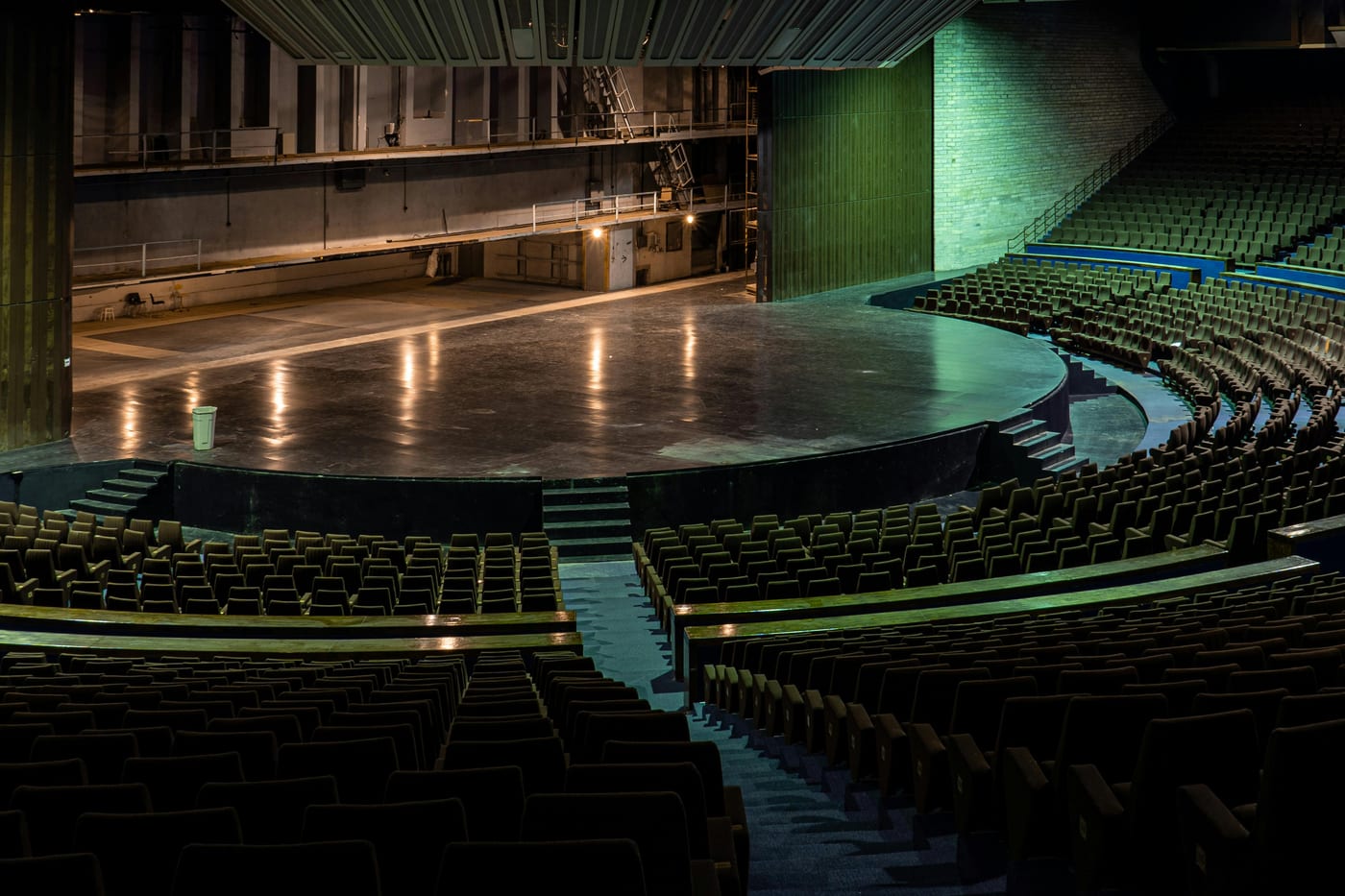
Theater and performance venues introduce rigging loads: catwalks, fly systems, lighting grids, and acoustic ceiling assemblies that impose concentrated and dynamic loads on the roof structure. Sports facilities bring crowd-induced vibration, blast-resistant design for high-occupancy venues, and progressive collapse considerations. Restaurants and commercial kitchens introduce heavy equipment loads, grease duct penetrations, and walk-in cooler foundations that often conflict with the structural framing below.
We engineer structures across every segment of the hospitality and entertainment industry.
Multi-story hotel towers, boutique hotels, and resort campuses. Podium-level transfer structures, pool decks, parking below grade, and tower lateral systems designed for wind and seismic demands.
New restaurant buildouts, rooftop dining, and adaptive reuse of historic structures. Commercial kitchen loading, mezzanine seating, and outdoor patio canopies with proper lateral bracing.
Stage houses, fly towers, orchestra pits, and auditorium seating structures. Design for rigging loads, acoustic isolation, and the large clear-span roof systems these venues require.
Indoor arenas, aquatic centers, fitness complexes, and field houses. Long-span roof trusses, retractable seating platforms, and elevated running tracks over gymnasium floors.
Large exhibit halls, meeting rooms, and pre-function spaces requiring column-free spans of 100 feet or more. Heavy floor loads for equipment and temporary staging configurations.
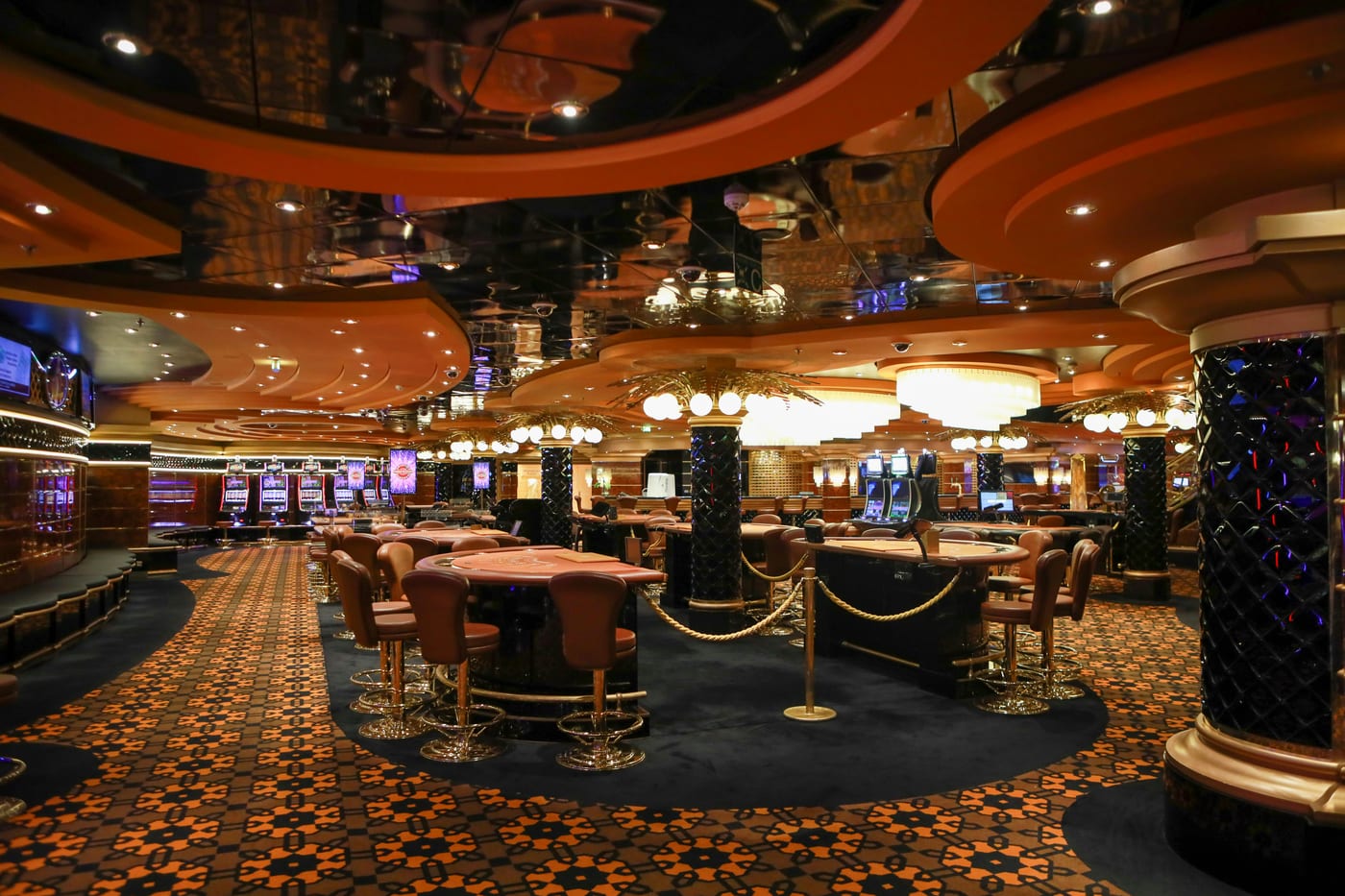
Open gaming floors with minimal columns, high-bay ceilings, and extensive MEP coordination. Structural systems designed to support signage, lighting rigs, and frequent interior reconfiguration.
Behind every memorable guest experience is serious structural engineering. Here is what the numbers look like.
Large hotel ballrooms commonly require 150-foot clear spans to eliminate interior columns. This demands deep steel trusses, post-tensioned concrete, or hybrid systems, and careful coordination with the floors above and below.
A 4-foot-deep rooftop pool imposes roughly 62 pounds per square foot of dead load from the water alone. That is before you account for the pool deck, waterproofing, finishes, and the occupied space below requiring transfer framing.
Theater fly systems and arena rigging can impose concentrated point loads of 5,000 pounds or more at individual pick points. The roof structure must be designed to handle these loads at any position along the grid.
Assembly occupancies (lobbies, ballrooms, restaurants, and event spaces) are designed for 100 psf live load per IBC. That is double the typical office floor and has a significant impact on member sizing and foundation design.
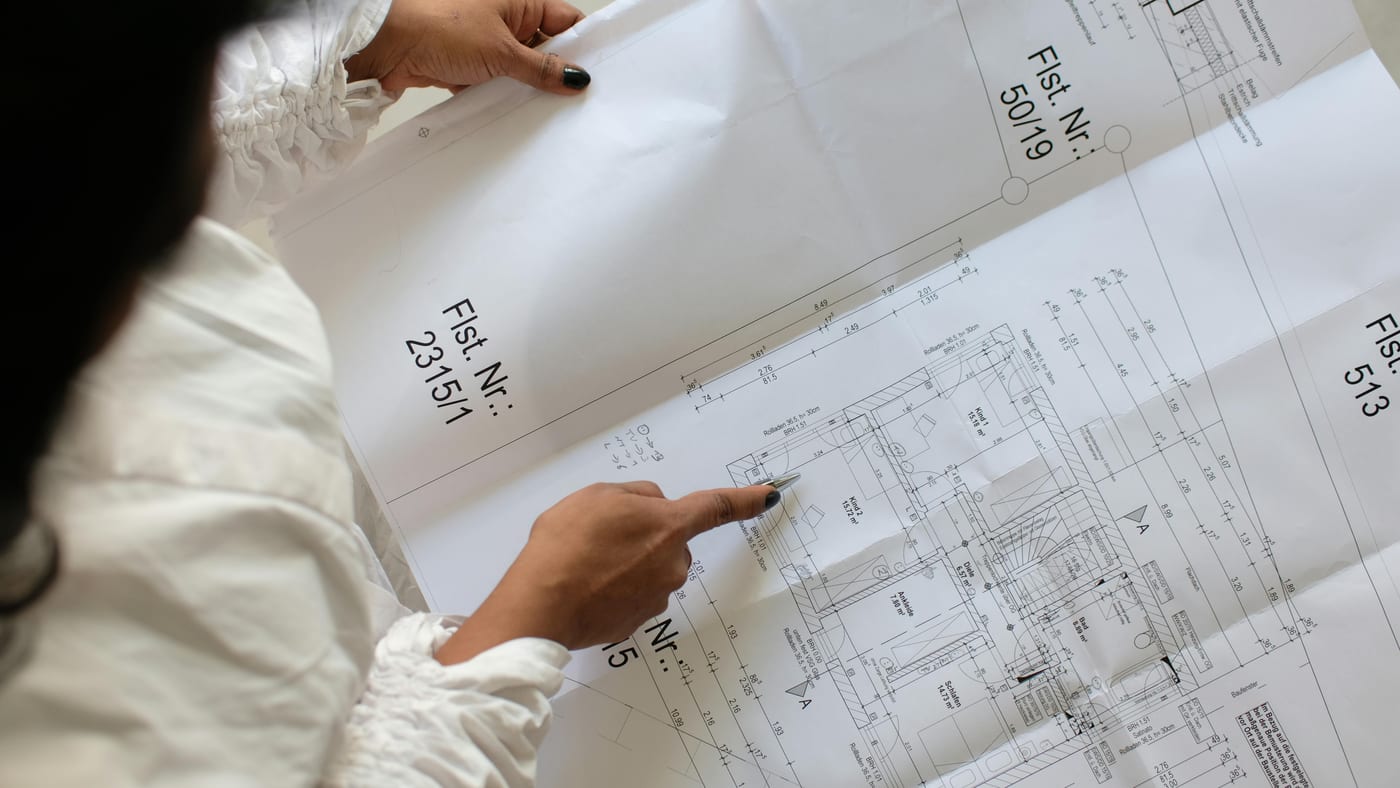
Every hospitality project includes a complete engineering package tailored to the venue type, jurisdiction, and construction method. We coordinate with architects, MEP engineers, interior designers, and specialty consultants to deliver a buildable structural package that gets permitted and built on schedule.
[ hospitality-detail-3.jpg ]