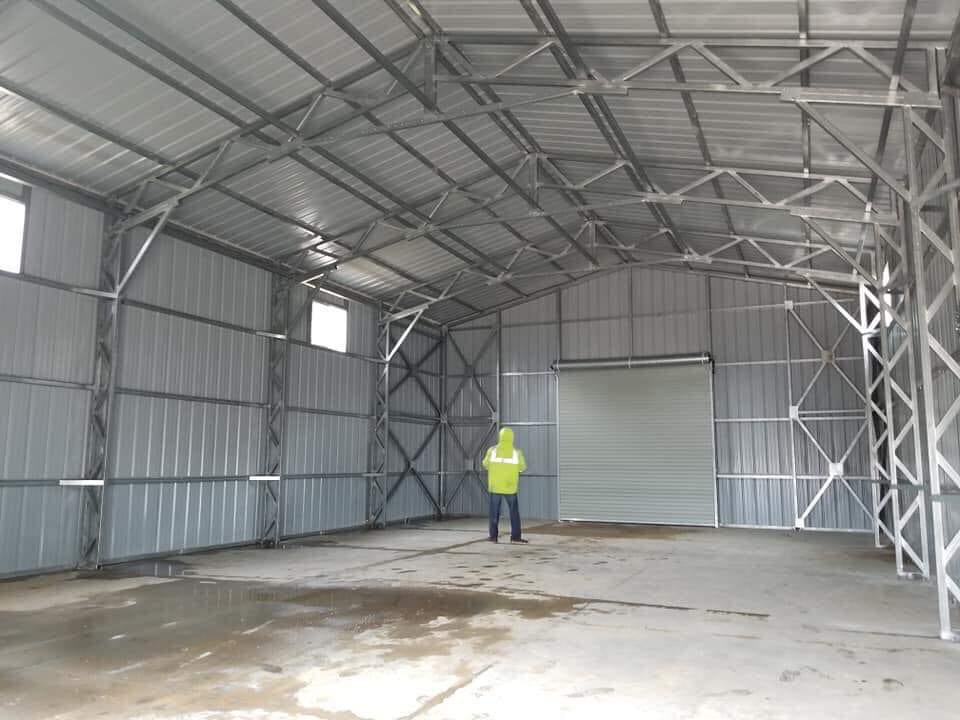
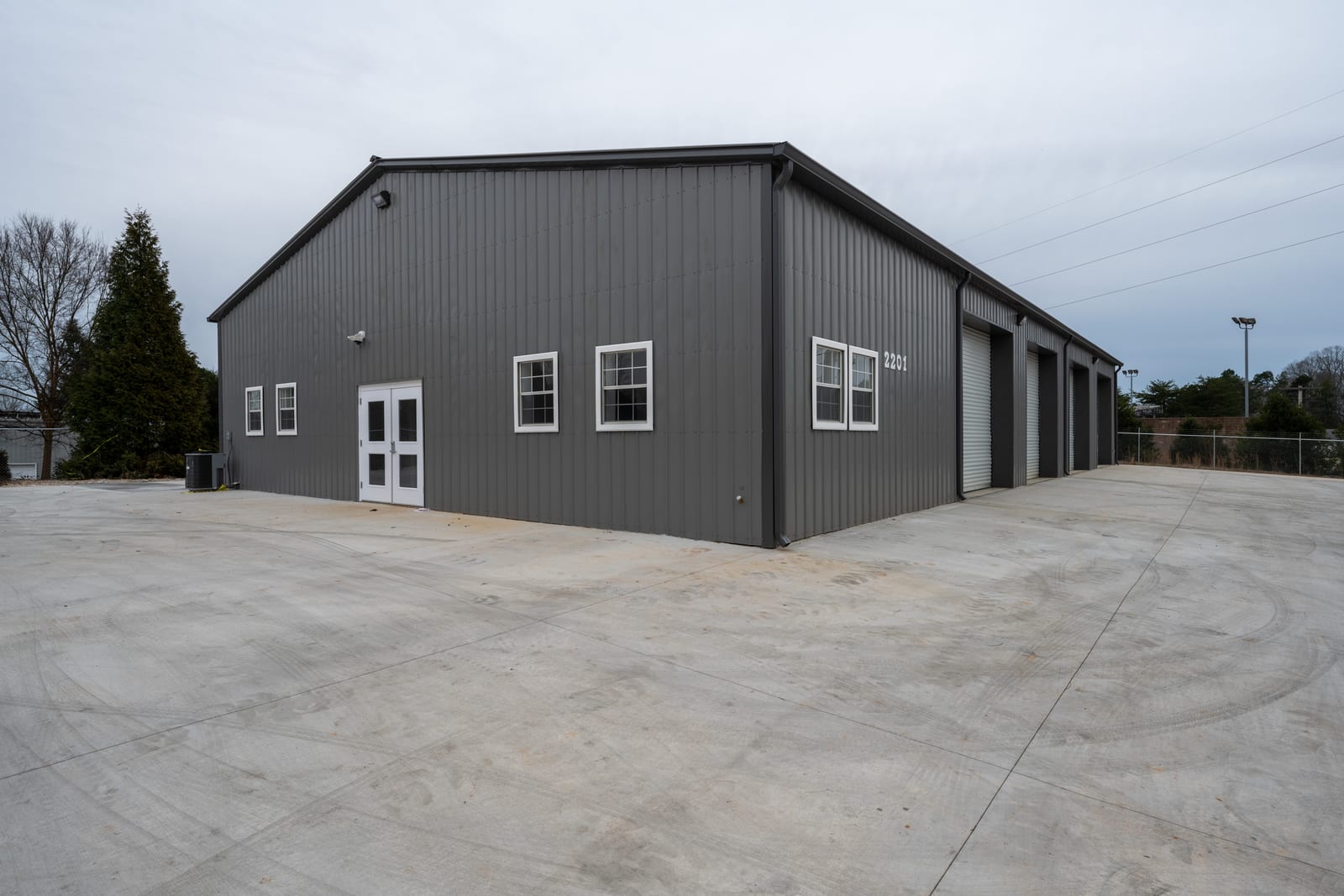
pre engineered metal building coordination, connection detailing, and foundation design for warehouses, hangars, and commercial structures.
pre engineered metal buildings (PEMB) are the backbone of commercial and industrial construction in the United States. They go up fast, cost less per square foot, and span long distances without interior columns. But the engineering behind them is anything but simple.
We provide the structural engineering that connects the PEMB manufacturer's scope to everything else on the project: foundations, mezzanines, interior buildouts, crane systems, and jurisdictional code compliance. When the metal building supplier provides their reaction loads and anchor bolt patterns, we take it from there.
Our deliverables include foundation design, anchorage details, connection engineering for non-standard attachments, and permit ready drawing packages with PE sealed calculations. We coordinate directly with fabricators and erectors to keep projects on schedule.
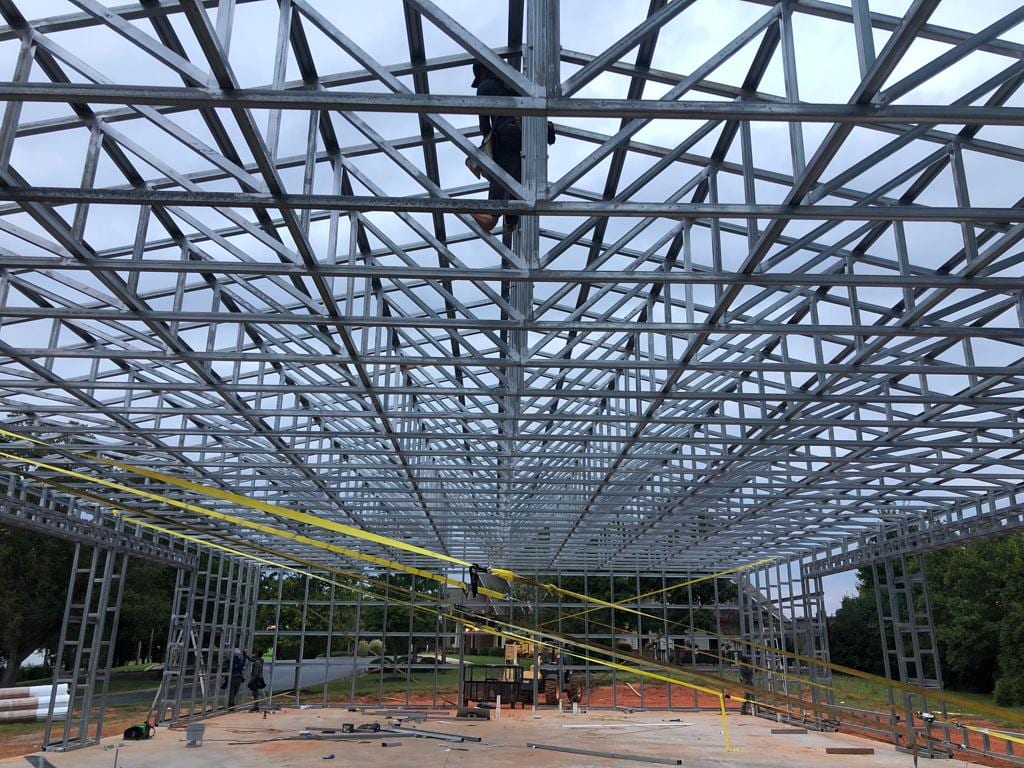
[ metal-detail-1.jpg ]
The most common source of problems on metal building projects is the gap between the PEMB manufacturer's scope and the foundation engineer's scope. Anchor bolt locations don't match. Reaction loads change after the building is re-designed. Mezzanine connections weren't accounted for in the original frame analysis.
We bridge that gap. Our team reviews manufacturer submittals, verifies reaction loads against foundation design, and details every connection that falls outside the PEMB supplier's standard package: canopy attachments, overhead door headers, mechanical screen supports, parapet framing, and interior buildout framing.
We engineer metal buildings across a wide range of commercial, industrial, and agricultural applications.
Clear-span storage facilities, distribution centers, and logistics buildings. Foundation design for slab-on-grade with high rack loading and forklift traffic.
Wide clear-span structures with large bi-fold or hydraulic door openings. Specialized foundation design to handle unbalanced wind loads and door mechanism reactions.
Barns, equipment storage, grain processing facilities, and livestock shelters. Designs that account for commodity loads, ventilation openings, and rural site conditions.
Strip malls, auto dealerships, self-storage facilities, and mixed-use retail with metal building frames. Interior buildout coordination and storefront integration.
Production floors with crane systems, heavy equipment pads, and mezzanine platforms. Column-free spans for flexible manufacturing layouts.
Multi-bay workshop buildings, maintenance facilities, and flex-space shells. Designs that accommodate future tenant buildout and partition walls.
The numbers behind why pre engineered metal buildings dominate commercial construction.
Metal buildings account for roughly half of all low-rise commercial construction in the United States, according to the Metal Building Manufacturers Association.
Modern PEMB rigid frames can achieve clear spans exceeding 300 feet, enough for aircraft hangars, indoor sports facilities, and large-scale distribution centers.
PEMB projects typically erect 30 to 50 percent faster than conventional structural steel due to pre-fabricated components and simplified field connections.
Steel is the most recycled material on earth. Over 95 percent of structural steel in metal buildings can be recycled at end of life, making PEMB one of the most sustainable structural systems available.